

Sweet Pea Flower: Meaning and Symbolism
Update on July 30, 2025 611 Views
The sweet pea flower is not only visually stunning but also carries significant meaning and…

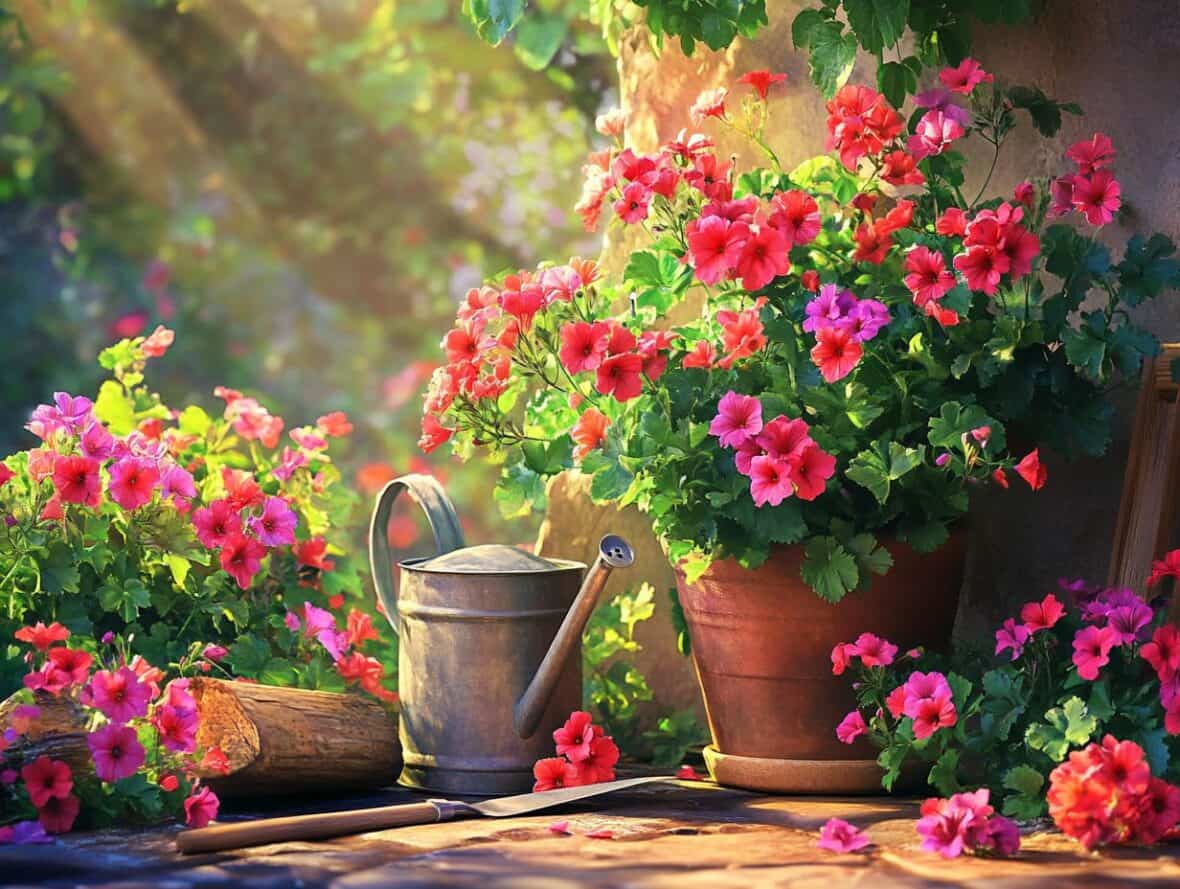
Geraniums are not only cherished for their vibrant blooms but also for their versatility in both gardens and homes. In this guide, I will cover the essentials of growing these stunning plants, including how to choose the perfect location, effective planting techniques, and ongoing care requirements. You will learn how to identify and treat common pests and diseases that can affect geraniums, explore the various types available, and discover their decorative and medicinal uses. Whether you are a seasoned gardener or a novice, this guide will help you cultivate your passion for geraniums.
Geraniums, often known as pelargoniums, represent a diverse group of flowering plants within the Geraniaceae family. These plants are celebrated for their stunning flower colors and unique varieties, including both traditional geraniums and scented geraniums. Advocated by gardening experts such as Monty Don, geraniums are highly regarded for their decorative appeal, making them a favorite among gardeners around the globe.
With the right care, they can flourish in a variety of growing conditions, adding a vibrant touch to both gardens and indoor spaces.
These resilient plants display a wide range of growth habits, from upright to trailing forms, which enhances their versatility for use in containers and garden beds. The foliage is equally diverse, with certain varieties featuring intricate patterns and distinct scents, offering an olfactory dimension to their visual beauty.
Geraniums are typically classified into different types, including hardy perennial varieties and tender annuals, each distinguished by its unique characteristics and bloom times.
Their adaptability to various climates, coupled with their resilience, makes geraniums a dependable choice for both novice and experienced gardeners. As a leading figure in the gardening community, Monty Don has inspired many individuals to discover the pleasures of cultivating geraniums, highlighting their ease of care and the remarkable visual impact they contribute to any landscape.
To successfully grow geraniums, I recognize the importance of understanding the essential steps involved in planting, watering, and caring for these beautiful plants.
I know that geraniums can thrive in full sun and a variety of growing conditions. By employing proper techniques, I can ensure their health and vitality throughout the seasons, from spring to winter, allowing them to bloom beautifully and provide vibrant colors in the garden.
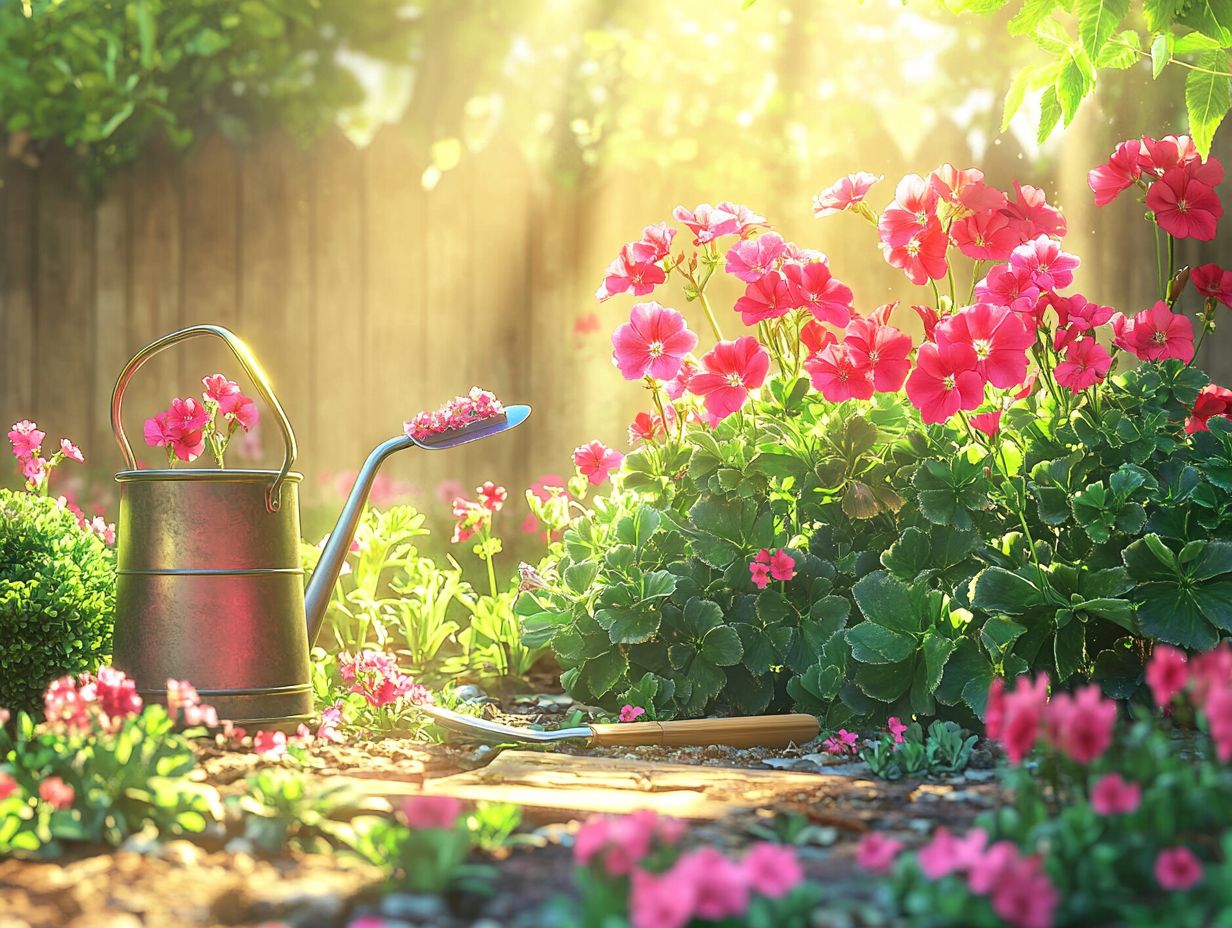
Selecting the right location is essential for cultivating healthy geraniums, as they thrive best in full sun. This significantly influences their blooming and overall vitality. It is important to understand the specific growing conditions required for geraniums to ensure their vibrant colors and longevity in the garden.
These plants need at least six hours of direct sunlight each day, making the choice of a bright spot crucial. Geraniums also flourish in well-draining soil enriched with organic matter, which helps keep their roots healthy and nourished. I recommend evaluating garden areas by observing sunlight patterns and ensuring there are no heavy, water-retaining soils present.
Incorporating raised beds or pots can improve drainage and promote better air circulation. Additionally, monitoring watering habits and allowing the soil to dry slightly between sessions contributes to optimal care, ensuring these flowers remain healthy and robust.
Planting and caring for geraniums involves a systematic approach that ensures these plants not only survive but thrive in my garden. From selecting the appropriate soil to establishing a consistent watering routine and performing regular pruning, each element plays a crucial role in maintaining their health and vibrancy.
To begin, preparing the soil is essential; it should be well-draining and rich in organic matter, which I achieve by mixing in compost or peat moss. Spacing is also significant; I place my geraniums approximately 12 to 18 inches apart to allow for adequate air circulation and growth. When planting, I ensure the root balls are positioned at a depth that allows the crown to sit slightly above the soil surface.
Once established, I adhere to a consistent watering schedule, keeping the soil moist but not soggy. Regular pruning is important as well; it encourages bushier growth, and removing dead or yellowing leaves helps maintain the plant’s overall health. Additionally, I monitor for pests and diseases throughout the seasons to keep my geraniums vibrant and flourishing.
I recognize that common pests and diseases can pose a significant threat to the health of geraniums, which is why it is essential for me to remain vigilant in identifying and addressing these issues promptly.
By understanding the typical problems that affect geranium care, I can ensure that my plants remain healthy and thrive throughout the growing season.
Identifying and addressing issues related to geraniums is essential for maintaining their health and vitality. This proactive approach allows me to take appropriate action against pests and diseases before they inflict significant damage. By recognizing symptoms early, I can implement effective treatments that restore the plant’s health and encourage growth.
Common signs such as yellowing leaves, stunted growth, or wilting may indicate potential pest infestations or diseases that require attention. For example, I may notice sticky residue left by aphids, or dark spots on the petals caused by fungal infections.
Regularly inspecting the foliage and soil enables me to catch these problems early, facilitating accurate diagnosis. Adopting integrated pest management practices-such as introducing beneficial insects, utilizing proper watering techniques, and selecting resistant geranium varieties-provides effective solutions.
Through consistent monitoring, I can ensure that my plants remain healthy and thrive without suffering from the stress caused by harmful pests or diseases.
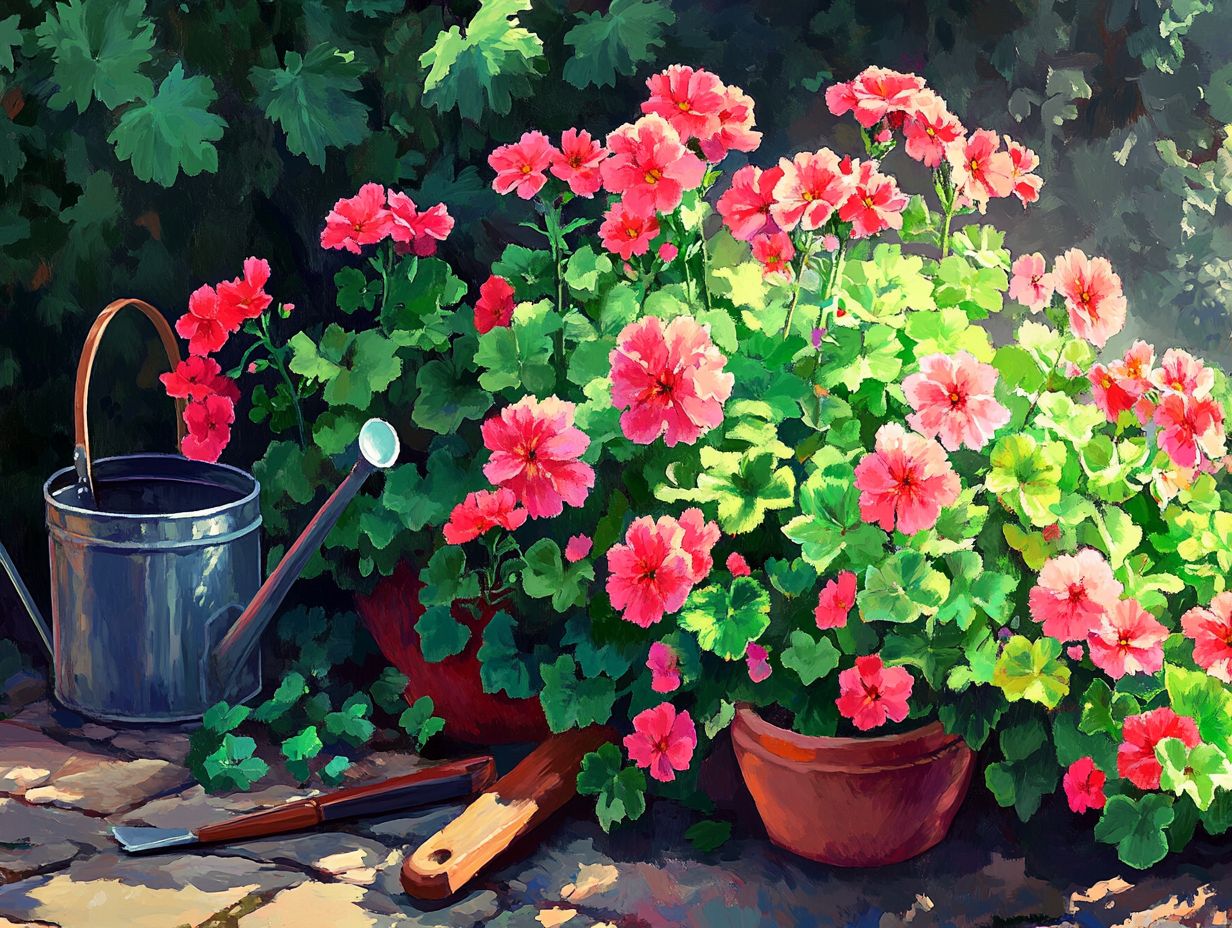
In my exploration of the world of geraniums, I have encountered a vast array of types, each presenting unique characteristics, colors, and fragrances that cater to various gardening preferences.
From hardy geraniums to distinctive varieties and scented options, gaining a thorough understanding of the differences among these plants enables me to make informed choices that align with my specific gardening needs.
Different varieties of geraniums exhibit unique characteristics, ranging from the vibrant flower colors of zonal geraniums to the delightful scents of scented geraniums. Each type possesses distinct features that contribute to their popularity among gardeners and can significantly influence their suitability for various planting conditions.
For example, I find that trailing geraniums, with their cascading growth habits, are perfect for hanging baskets or containers, adding an elegant touch to patios and balconies. In contrast, the hardy and drought-tolerant perennial geraniums, commonly known as crane’s-bill, thrive in garden beds and provide excellent ground cover while attracting pollinators.
The bold and eye-catching blooms of regal geraniums are ideal for creating focal points in floral displays.
By understanding these specific characteristics, I can select varieties that not only enhance my garden’s aesthetic appeal but also meet my functional landscaping needs.
I find geraniums to be highly versatile flowering plants that serve multiple purposes. Their decorative appeal enhances garden landscapes, and their striking appearance, coupled with pleasant fragrances, makes them a valued addition to any outdoor space.
Additionally, certain varieties possess medicinal properties that extend their benefits beyond mere aesthetics, highlighting their multifaceted nature.
The decorative and medicinal purposes of geraniums highlight their significance in both horticultural and herbal practices. They enhance spaces with their beauty while offering potential health benefits. Various types of geraniums, including fragrant varieties, serve as striking features in gardens and valuable components in herbal remedies.
These versatile plants thrive in a range of gardening styles, making them excellent choices for container gardening. They can effortlessly brighten patios and balconies with their vibrant colors and lush foliage. In border planting, geraniums provide a stunning visual contrast with other perennials and annuals, adding depth and dimension to landscapes.
Beyond their ornamental appeal, many geranium varieties are recognized for their soothing medicinal properties. For example, certain fragrant types can be infused into herbal teas for their calming effects, while others are distilled into essential oils known for their antiseptic and aromatic benefits.
This dual role enriches both gardens and herbal practices, establishing geraniums as invaluable assets to aesthetics and wellness.

The sweet pea flower is not only visually stunning but also carries significant meaning and…
Sweet Woodruff Flower, known for its delicate white blossoms and sweet scent, holds significance in…
